
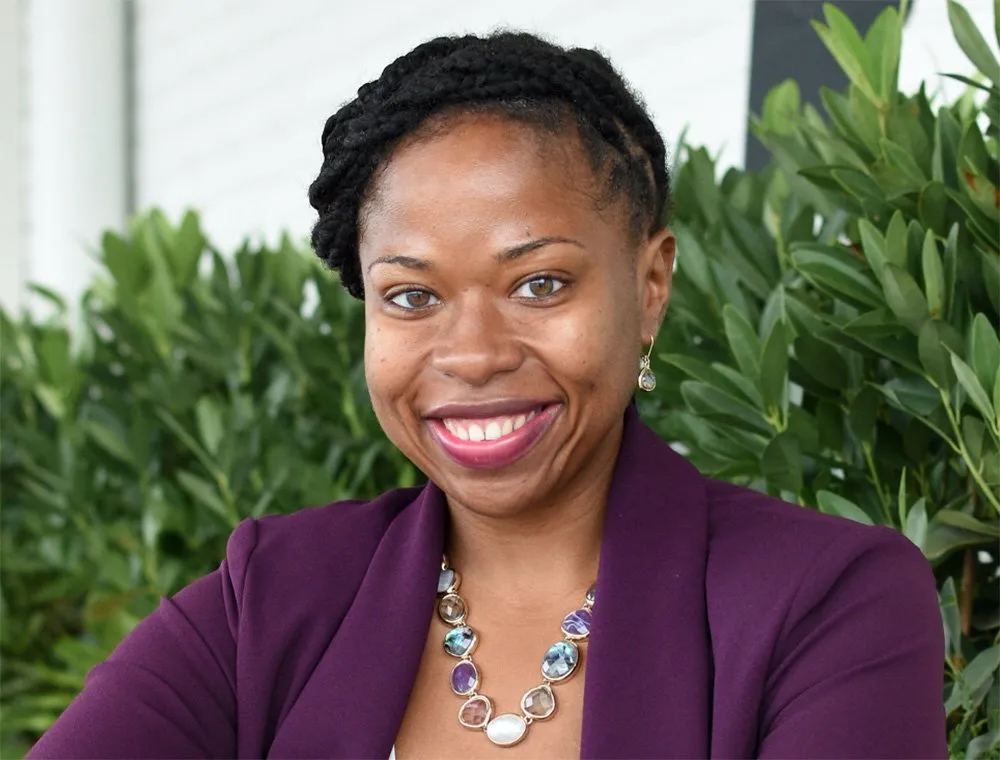
Jacinta Williams
Jacinta Williams founded EdLiberate after years of working across public health, nonprofits, and a wide range of school systems—public, independent, charter, and international. In every setting, she saw the same thing: systems shape experience. And when those systems aren’t aligned with a community’s values, the people—especially students and staff carrying the most complexity—bear the weight.
Jacinta brings a design-centred, partnership-based approach to her work. She doesn’t believe in one-size-fits-all solutions. Instead, she listens deeply, helps teams get clear on what matters, and supports leaders in redesigning systems and culture so that real, lasting change becomes possible.
Her work is grounded in both strategy and humanity—with a clear belief that schools and organisations can be places where adults and young people thrive. Not just in theory, but in daily practice.
At EdLiberate, we believe change is possible—not because it’s easy, but because it’s necessary. And we’re here to walk alongside you as you make it real.
Belonging: What Does It (REALLY) Mean for ISPP?
This session will guide faculty and staff through the Belonging Framework with a focus on practical application in their roles. Participants will explore how the framework applies to student experience and community culture, and will engage in dialogue and reflection about their own hopes, fears, and questions. The emphasis will be on using the framework to strengthen belonging through daily interactions, instructional strategies, and institutional practices.
Strengthening Our Intercultural Competence
In this session, we will learn and apply two frameworks that will support us in a process of deep reflection that interrupts our often unconscious deficit views and responses to people who are culturally and linguistically different from us. We will spend time becoming more aware of and evaluating our own assumptions, prejudices, and biases about race, culture and many other factors when interpreting behavior or stimuli and consider how they affect our interactions and expectations with students, colleagues, and parents.
But I Didn’t Mean It That Way: Responding to Microaggressions
In this session we will do a deep dive on the third level of building bias resistance – interrupting bias when it happens and relieving harm. We will explore the concepts of implicit bias and microaggressions, how they show up, and their impact. We will practice responding to bias and microaggressions from three distinct roles: witness, receiver, and actor, with small groups and in the large group. This session will provide communication approaches and strategies for all to respond to and intervene in acts of bias. You will leave with tools and language to address these cultural breaches both in the moment and after reflection.
Belonging: What Does It (REALLY) Mean for ISPP?
This session will guide faculty and staff through the Belonging Framework with a focus on practical application in their roles. Participants will explore how the framework applies to student experience and community culture, and will engage in dialogue and reflection about their own hopes, fears, and questions. The emphasis will be on using the framework to strengthen belonging through daily interactions, instructional strategies, and institutional practices.
Strengthening Our Intercultural Competence
In this session, we will learn and apply two frameworks that will support us in a process of deep reflection that interrupts our often unconscious deficit views and responses to people who are culturally and linguistically different from us. We will spend time becoming more aware of and evaluating our own assumptions, prejudices, and biases about race, culture and many other factors when interpreting behavior or stimuli and consider how they affect our interactions and expectations with students, colleagues, and parents.
But I Didn’t Mean It That Way: Responding to Microaggressions
In this session we will do a deep dive on the third level of building bias resistance – interrupting bias when it happens and relieving harm. We will explore the concepts of implicit bias and microaggressions, how they show up, and their impact. We will practice responding to bias and microaggressions from three distinct roles: witness, receiver, and actor, with small groups and in the large group. This session will provide communication approaches and strategies for all to respond to and intervene in acts of bias. You will leave with tools and language to address these cultural breaches both in the moment and after reflection.